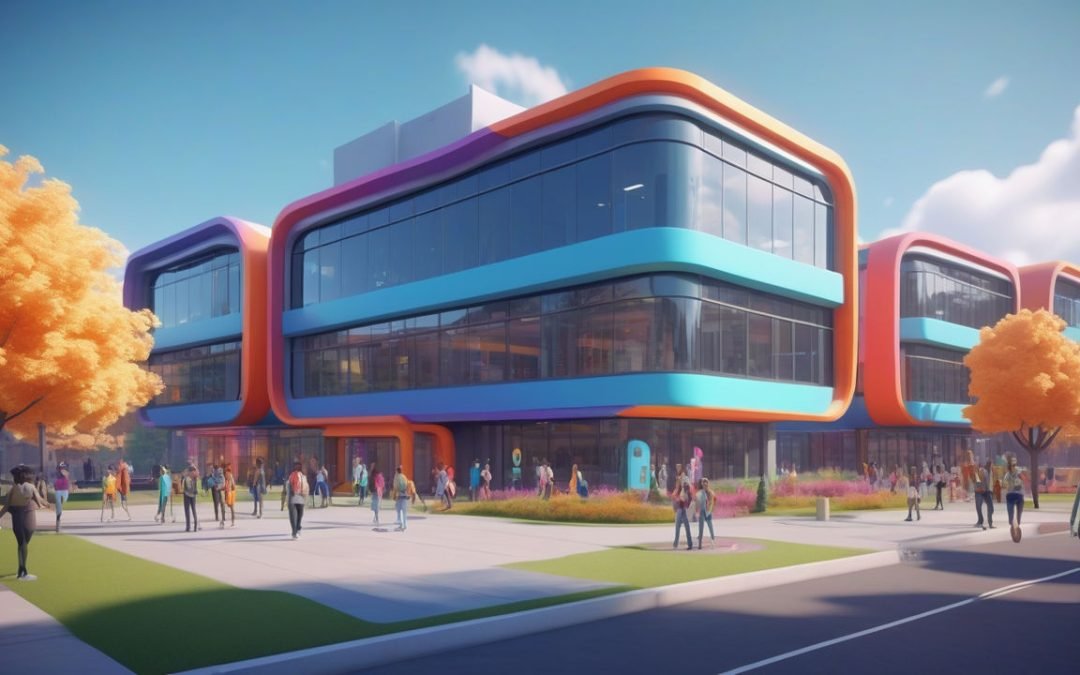
Around the world, the demand for doctors and allied health professionals keeps rising, while medical schools are limited by lab space, faculty time and clinical placements. A virtual campus will not replace bricks and mortar, but it can stretch what a school is able to offer. Here are five ways it helps.
1. Lab time that is no longer limited by the timetable
Physical labs and simulation centres are booked solid, and every session needs staff, equipment and consumables. Virtual labs can be opened to students at any time. They can prepare before a practical, repeat a procedure as many times as they need and arrive at the real session ready to make the most of it.
2. Remote and international students in the same room
A virtual campus lets students who are on placement, studying abroad or unable to travel join the same class as everyone else. They are not watching a video stream from the back of the room; they are present as avatars, can ask questions with their own voice and can work on the same 3D models as their peers.
3. Safer first attempts at clinical skills
Every clinician has a first time for every procedure. In simulation, that first attempt can happen without any risk to a patient. Students can make mistakes, see the consequences and try again, building confidence before they reach the ward. You can read more about this in our post on rehearsing clinical procedures in VR.
4. Faculty expertise that reaches further
A specialist who can only be on one campus on one day can teach students across several sites in a shared virtual auditorium. Guest lecturers from partner institutions can join without travelling. Conferences, grand rounds and open days can all happen in the same space.
5. A campus that grows with the curriculum
Adding a new physical lab can take years of planning and investment. Adding a new virtual room, training module or branded space can be done much faster, and updated whenever the curriculum changes. Content can be designed together with faculty so that it matches exactly what students need to learn.
A virtual campus is an extension of a medical school, not a replacement. It adds capacity, flexibility and reach to the teaching that already happens on site.
Getting started
The most successful programmes start small: one module, one cohort, one clear learning goal. From there, it becomes much easier to see where immersive learning adds the most value. If you would like to explore a pilot, our team can help you plan it.