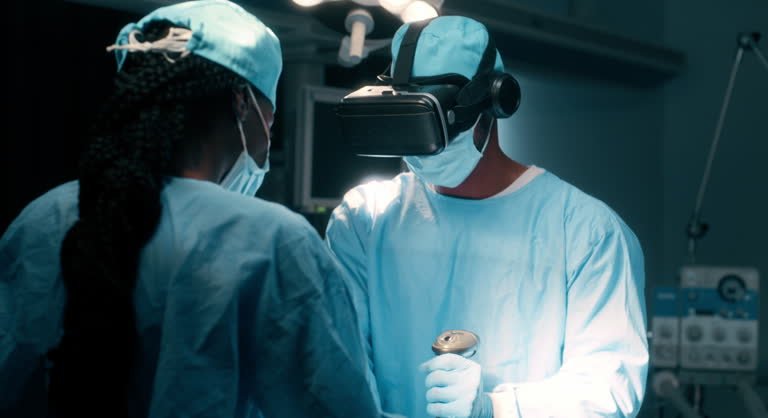
Dental students spend years building fine motor skills on phantom heads and typodonts before they treat patients, and clinic time is always scarce. Virtual reality and 3D simulation add another layer of practice: learning the sequence of a procedure, the instruments and the anatomy before sitting down at the chair.
VR dental training is strongest for procedure sequence, instrument choice, 3D head and neck anatomy and patient communication. It complements, not replaces, phantom-head and clinical training. On Kashmeta, dental and medical students can rehearse a scored tooth extraction step by step, study head and neck anatomy in 3D and talk to AI patients, in a laptop browser.
What VR adds to dental education
- Sequence before skill. Knowing every step of a procedure, in order, frees attention for hand skills in the simulation clinic.
- 3D anatomy of the head and neck. Nerves, vessels and the relations of the teeth are easier to understand on a model you can rotate and take apart. See why VR helps anatomy learning.
- Unlimited repetition. A simulation resets instantly, with no consumables.
- Patient communication. Explaining a procedure, gaining consent and managing an anxious patient can be rehearsed with AI patients.
Tooth extraction, step by step
The Kashmeta campus includes a scored tooth extraction simulation among its seven surgery simulations. In practice mode, students are guided through each step; in assessment mode, every step is scored for accuracy, order and safety, so students and teachers can see exactly where to improve.
What VR cannot teach (yet)
Tactile skills, such as the feel of luxation or the resistance of bone, still need phantom heads, haptic simulators and supervised clinical practice. Use VR to arrive at those sessions prepared.
How dental schools can start
Start with one cohort and one goal, such as preparation for an oral surgery rotation, and measure scores and student confidence. Kashmeta offers a free 30-day pilot for one class of up to 10 students on ordinary laptops, and can build custom simulations of procedures your faculty teaches. Read how to run a VR pilot and what medical VR costs.
Open the campus free for 30 minutes in Chrome or Edge.
Frequently asked questions
Is VR useful for dental students?
Yes, especially for learning procedure steps, instruments and head and neck anatomy before simulation-clinic and clinical sessions.
Can VR replace phantom-head training?
No. Phantom heads, haptic simulators and supervised clinics build hand skills; VR helps students prepare and repeat the sequence.
Does Kashmeta have a dental simulation?
Yes. Kashmeta includes a scored tooth extraction simulation with practice and assessment modes, alongside a 3D anatomy lab and AI patients.
Simulation-based practice, not an accredited qualification. Not a substitute for supervised clinical training.